

Pearl River In the wake of any election cycle, it’s always worth seeing what happened down the ballot, especially with citizen initiatives.
The big news was obviously the loss of the billionaire’s tax in California, initiated by Dave Regan and the SEIU’s giant northern California hospital and nursing home workers union. The issue was divisive, particularly with its intended target, the 500 or so billionaires in the state. The Google guys and some others spent millions in opposition, even as a few like Tom Steyer, said he was OK with a 5% one-time hit. Obviously, this was a setback for wealth taxes, but by all reports, no one is permanently throwing in the towel on trying to win more equitable taxation for the rich.
Some other ballot measures did better. Abortion rights, for example, continues to be surprisingly effective winner, even in what once were known as red states. Nevada and Virginia passed constitutional protections for abortion rights. Missouri defeated an attempt to repeal abortion rights amendment that they had approved in 2024, beating a legislative effort for a do-over. On the other hand, Idaho voters rejected statutory abortion protections. A comprehensive survey of ballot measures tells a more mixed tale, and once the dust settles, we’ll have to take a closer look.
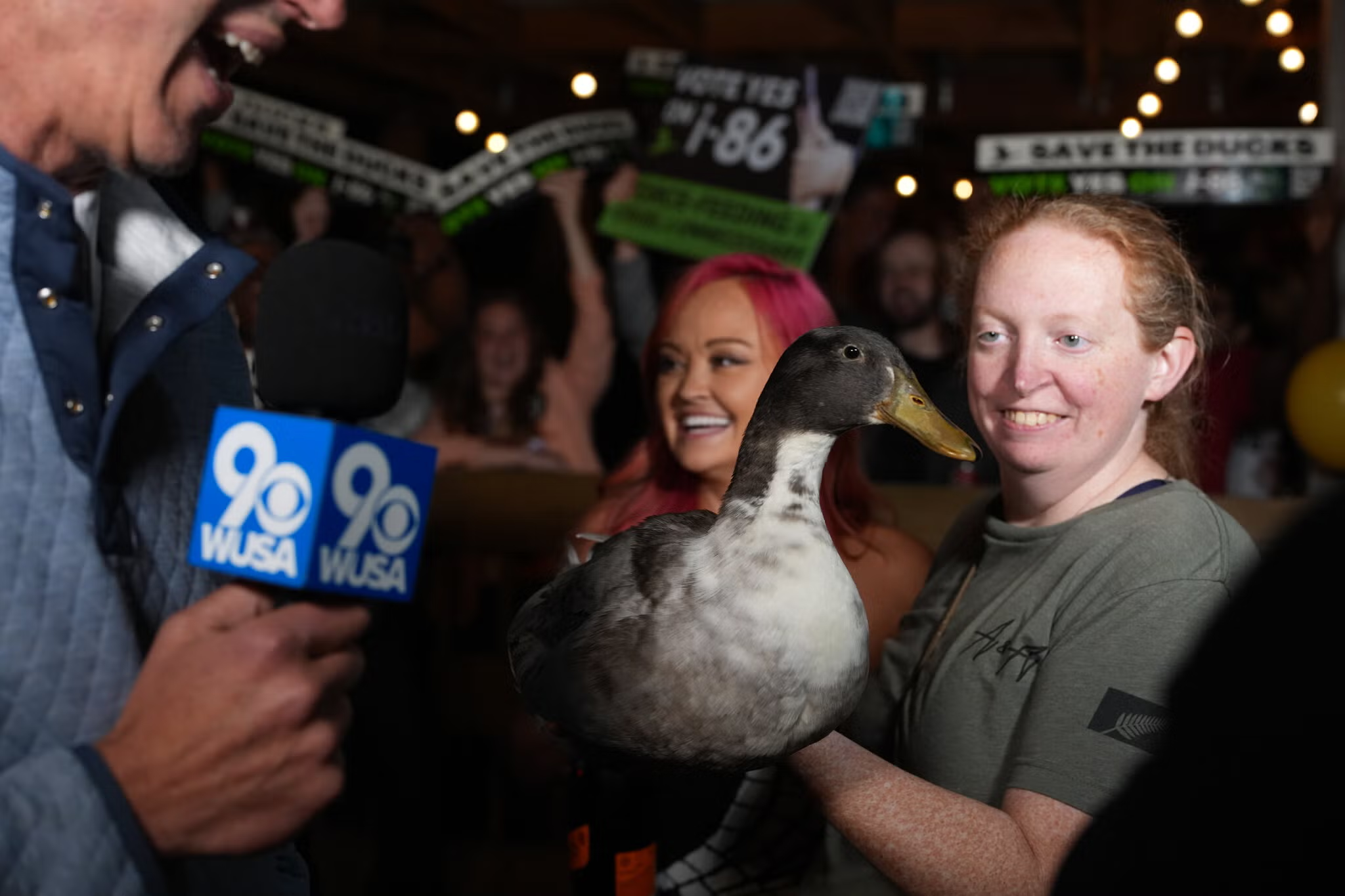
Regardless, going directly to the voters for approval – or rejection – is still a good organizing tactic. A good example on this score is a measure we’ve talked about before that was initiated by Pro-Animal Future, and its local affiliate in Washington, D.C. Having campaigned on the issue of forced feeding ducks to produce foie gras, they tried something new by putting it on the ballot in the district. Doing so stirred up a hornet’s nest of opposition by some of Washington’s most high-profile chefs, including Jose Andres, “the celebrity chef who owns restaurants in the city and founded the disaster relief group World Central Kitchen,” which is universally agreed to be an amazing humanitarian effort. For Andres, it’s people, yes, and ducks, no.
For the voters in DC, it went the other way and was resoundingly, ducks, yes. “Initiative 85, which bans the force-feeding of birds and the sale of foie gras …won 73% of the 169,753 votes cast….” I’m betting that many of the voters, and you can count me among them, have never so much as laid a tongue on this so-called delicacy, making the vote kind of a layup. Regardless of that aversion for most of us aside from the gourmands, Pro-Animal clearly ran a smart campaign making a 4-year old duck, named Olivia, the face of the campaign, both while they were petitioning and on the GOTV efforts. Opponents are digging in their heels or perhaps forks still, claiming they will tie this up in the courts, which has been the case in other efforts in New York City and California.
We had talked to the key organizer, New Orleans-based, Natalie Fulton, the media and content lead on the campaign for Pro-Animal DC six months ago on Wade’s World. She prominently responded at the end of the Times’ report, saying
…past efforts to rid the city of foie gras fell short. In 2023, the DC Coalition Against Foie Gras started protesting outside restaurants. But it was not a lasting solution. A new restaurant would open and serve foie gras, or a targeted one would claim to have dropped the dish and quietly kept serving it. Lobbying the City Council had failed, too, Ms. Fulton said. What changed this time? “Having Olivia the duck as a mascot really helped….It really allowed people to connect the process with the individuals that this measure would affect.
Add to that the fact that there will be fines of between $1000 and $5000 for infractions, and there are some real teeth in this victory.
Letting the voters decide should always be on the list of tactics in our putative democracy. We won’t win all the time, nor will the opponents, but letting people decide is always a good thing.